
AECOM
AECOM Community Engagement Support
Our team partnered with AECOM to support a comprehensive community engagement process for a transportation planning project. Our work focused on ensuring that local voices were included, informed, and meaningfully involved throughout the planning and design phases.
We developed a Community Involvement Plan that outlined how and when to engage residents, businesses, and neighborhood groups in order to promote transparency and accessible communication. This included creating a detailed community contact list to help AECOM and partner organizations reach the right audiences and ensure broad participation.
As part of the engagement process, we organized and facilitated a full day of drop-in office hours, giving local businesses, residents, and advocacy groups an opportunity to discuss project alternatives directly with the project team. We also attended and presented at meetings with the Bay View Neighborhood Association and the Crisol Corridor (BID 50), while coordinating closely with community partners throughout the project.
In addition, we produced digital media content—including images and written updates—for use on city and community organization websites and social media channels to support clear, consistent outreach.
Our team collected and analyzed all community feedback, identifying key themes, priorities, and concerns that helped shape project decisions and design adjustments. To conclude the effort, we prepared a comprehensive Engagement Report documenting activities, input received, project responses to that input, and recommendations for future outreach initiatives.
HIGHLIGHTED PROJECT
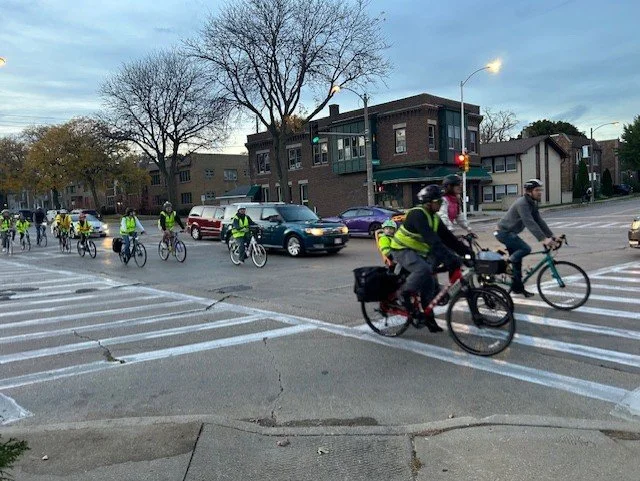
Safe Streets Bike Ride October 24th 2024
Narvarte coordinated and delivered a three-week Safe Streets Academy to equip community members with a practical foundation in how street safety decisions are made—and how to influence them. Too often, advocacy fails because people are asked to comment on projects without understanding governance, tradeoffs, or how street elements work together to create safety.
Narvarte designed the curriculum from the ground up, combining Safe Streets 101 with place-based learning. Participants conducted walk audits on specific streets and intersections in their own neighborhoods, diagnosing real conditions rather than abstract examples. The training emphasized how design, policy, and operations intersect—and who holds decision-making authority at each step.
The academy culminated in the development of advocacy action plans for two community groups, translating knowledge into concrete next steps for local change.
Key Outcomes
Designed and delivered a three-week Safe Streets training academy
Built foundational knowledge of street design, governance, and decision-making
Led place-based walk audits focused on real neighborhood conditions
Empowered participants to diagnose safety issues independently
Produced advocacy action plans for two community-led groups

As part of the engagement process, we organized and facilitated a full day of drop-in office hours, giving local businesses, residents, and advocacy groups an opportunity to discuss project alternatives directly with the project team. We also attended and presented at meetings with the Bay View Neighborhood Association and the Crisol Corridor (BID 50), while coordinating closely with community partners throughout the project.
In addition, we produced digital media content—including images and written updates—for use on city and community organization websites and social media channels to support clear, consistent outreach.
Our team collected and analyzed all community feedback, identifying key themes, priorities, and concerns that helped shape project decisions and design adjustments. To conclude the effort, we prepared a comprehensive Engagement Report documenting activities, input received, project responses to that input, and recommendations for future outreach initiatives.
HIGHLIGHTED PROJECT
Oklahoma Avenue Protected Bike Lane
Experiential Engagement for Dignified Transportation
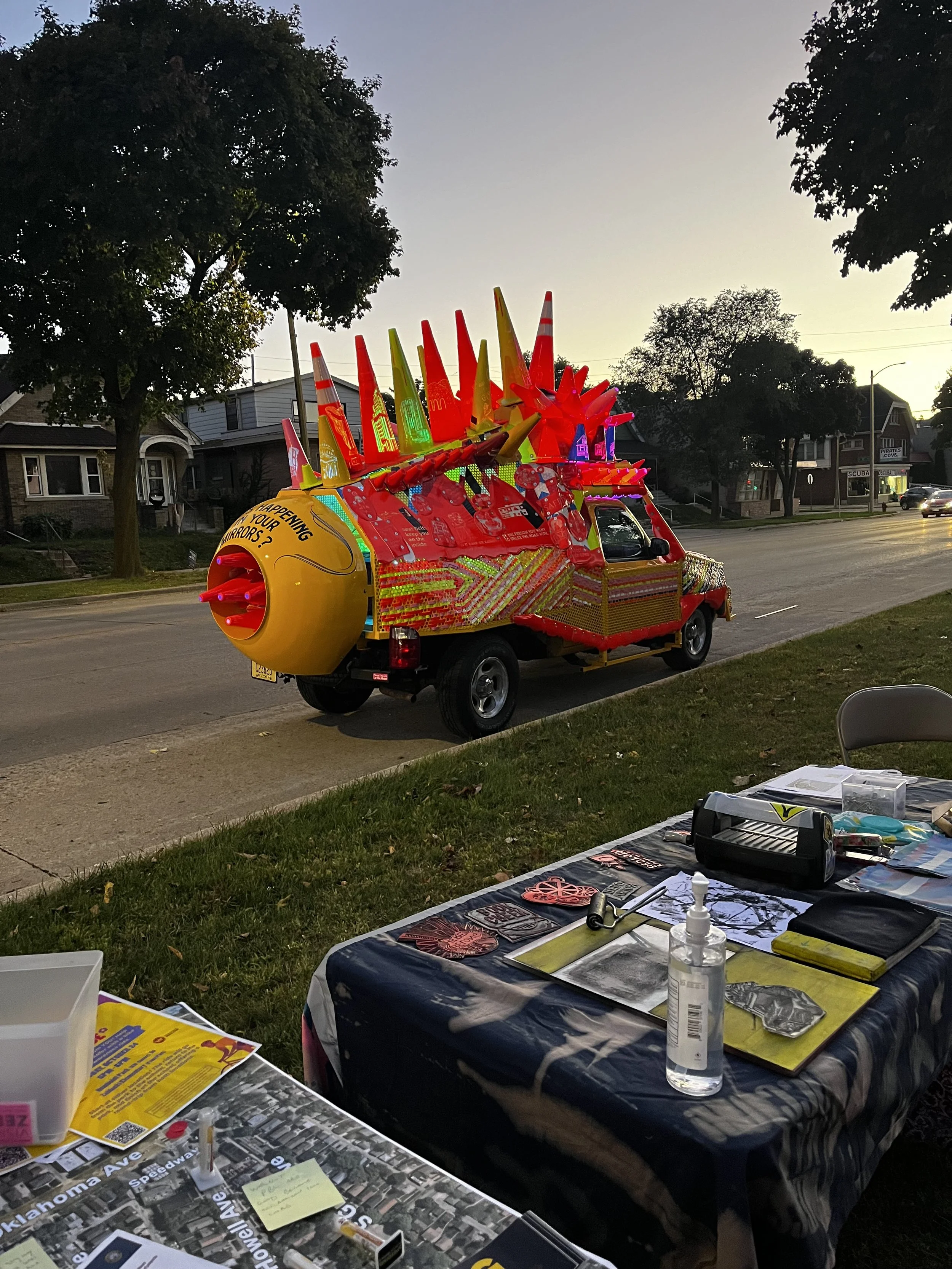
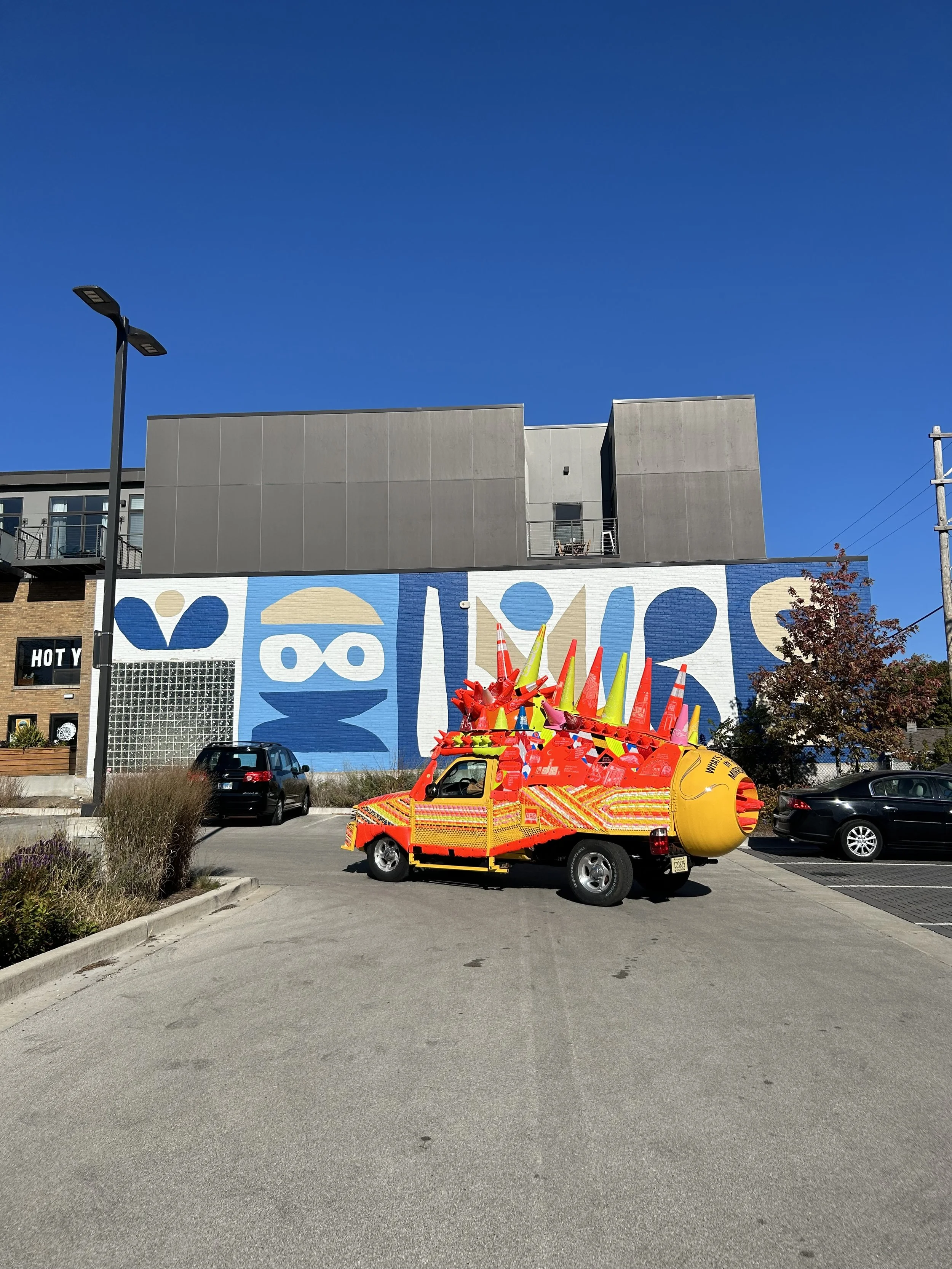
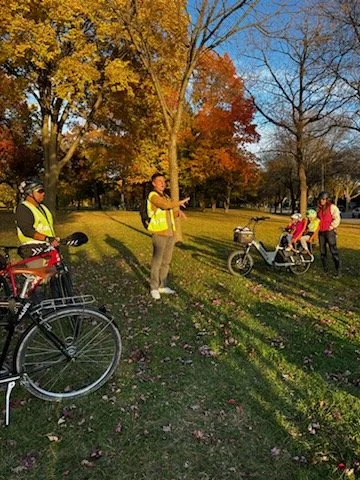
Narvarte supported the Oklahoma Avenue protected bike lane by replacing traditional, meeting-based engagement with experiential, on-the-street outreach. The work centered dignity in transportation—allowing residents and stakeholders to directly experience safety and comfort conditions along the corridor rather than reacting to plans on a board.
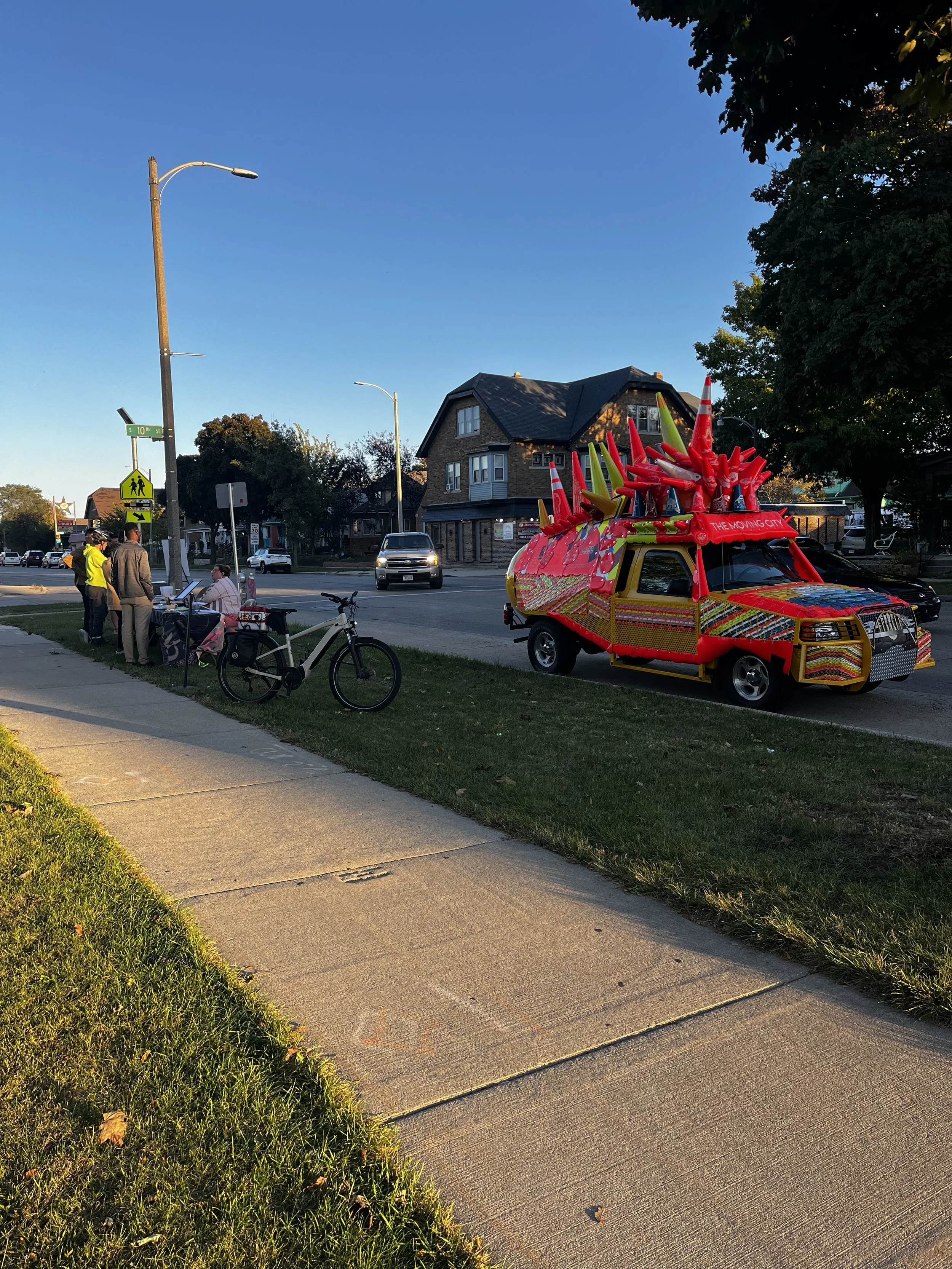
The engagement strategy included a guided bike ride through the project area and mobile, high-visibility tabling supported by the Milwaukee Department of Public Works Art Car. This approach expanded reach, sparked real conversations, and grounded feedback in lived experience—supporting smoother implementation of protected bike infrastructure.
Key Outcomes
Shifted engagement from abstract design review to lived, corridor-based experience
Elevated dignity, safety, and accessibility as core transportation values
Reached broader audiences through creative, mobile engagement
Built practical understanding in support of implementation